
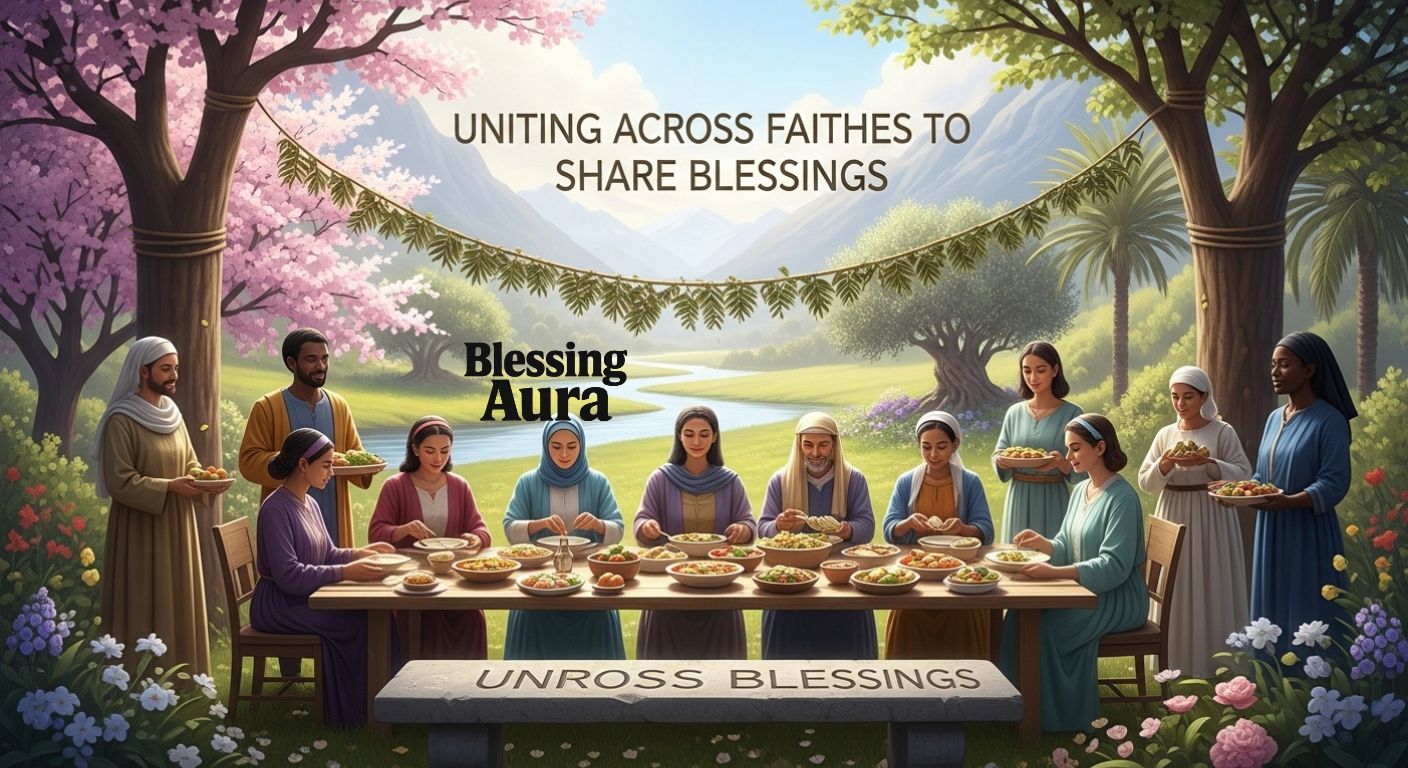
When people come together despite their differences, something powerful happens. Uniting across faiths to share blessings is more than just a kind gesture. It is a movement that creates understanding, peace, and care for those who need it most. In the United States, interfaith work continues to grow, yet lessons from other countries, like interfaith cooperation Singapore, also inspire. Stories of groups such as the Muslim Missionary Society of Singapore, the Jamiyah Food Bank donations, and The Church of Jesus Christ of Latter-day Saints Singapore show how service creates hope during hard times of food insecurity in Singapore and beyond.
The Power of Shared Humanity
At the heart of every religion is the belief that people deserve dignity, love, and care. This shared truth connects people across backgrounds. In America, many interfaith charities respond to disasters quickly, offering meals and shelter. This reminds us that service is not tied to one faith alone, but to the essence of being human.
We see the same lesson in Asia. During the donation handover ceremony in Singapore, both Muslims and Christians worked side by side. Datuk Dr. Mohd Hasbi Abu Bakar (President of Jamiyah) and Elder David Homer (Asia Area President, LDS Church) stood together, showing that humanity outweighs differences. This global act of kindness strengthens the belief that helping others is the deepest form of faith.
Finding Common Ground in Diversity
Diversity often feels like a challenge, yet it holds the greatest opportunity. In the United States, interfaith groups unite to fight homelessness, poverty, and educational inequality. Diversity, when embraced, becomes a tool for stronger communities, not division.
Consider the example of Professor Sean Patrick Rozario (Chairman, IRCC) and Chua Lai Teck (Vice Chairman, IRCC) from the Moulmein-Cairnhill constituency. By working with churches and mosques, they proved that different faiths can find shared goals. When diversity is celebrated, communities grow more resilient, compassionate, and welcoming to all.
Acts of Kindness Beyond Boundaries
Kindness knows no borders. In the United States, hospitals often have chaplains from multiple faiths, offering comfort to patients from different traditions. Volunteers from different religions also stand together after hurricanes and wildfires, showing that shared service heals wounds.
In Singapore, Dr. H. M. Saleem (1st Vice President of Jamiyah) worked alongside Jean-Luc Butel (Singapore Stake President, LDS Church) to offer donation of rice, cooking oil, instant noodles to struggling families. These acts highlight how kindness breaks down barriers. Service offered with an open heart speaks a universal language.
Faith as a Source of Compassion
Every religion, whether Christian, Muslim, Jewish, Hindu, or Buddhist, teaches compassion. They guide followers to care for the poor, feed the hungry, and protect families. This deep compassion unites believers across differences.
A simple table shows how these shared values look across traditions:
| Faith | Shared Compassion Value |
| Christianity | Love your neighbor |
| Islam | Charity (Zakat) |
| Judaism | Tzedakah (justice through giving) |
| Hinduism | Seva (selfless service) |
| Buddhism | Karuna (compassion) |
These overlapping beliefs mirror the spirit seen in humanitarian aid Singapore, where lower income households support is offered with love, regardless of faith.
Building Bridges Through Dialogue
Dialogue is one of the strongest tools for peace. When people sit together and listen, fear disappears, and respect grows. Across U.S. campuses, interfaith circles allow students to discuss their traditions openly. The result is not argument but understanding.
Singapore offers another example. Inter-Racial and Religious Confidence Circle (IRCC) meetings create safe spaces for dialogue. When people speak honestly, they find more similarities than differences. It is in such settings that interfaith friendship blossoms, making dialogue a foundation for unity.
Celebrating Traditions with Mutual Respect
Celebrations allow people to learn from one another. In the U.S., communities often share cultural festivals like Diwali, Ramadan iftars, and Christmas meals together. Each celebration builds curiosity and respect.
In Singapore, traditional kompang performers welcomed Elder David Homer during a ceremony. This festive kompang performance was not just entertainment but a sign of respect for a guest from another faith. Mutual celebration reminds us that joy is brighter when shared across cultures.
The Role of Community in Spreading Blessings
Communities magnify blessings when they work together. Grassroots food drives, clothing banks, and neighborhood shelters show how faith can lift the most vulnerable. In the U.S., groups like Feeding America partner with churches, mosques, and synagogues to provide millions of meals.
Similarly, grassroots organizations Singapore fight poverty and hidden hunger through the Jamiyah Food Bank donations. They do not only provide food but also hope. These examples prove that communities working hand in hand can reach more lives than one faith alone.
Service as a Universal Language
Service is the heartbeat of interfaith cooperation. It does not need translation because everyone understands its purpose. In America, interfaith builds by Habitat for Humanity show how construction work becomes an act of faith-filled unity.
In Asia, the Light the World service project allowed The Church of Jesus Christ of Latter-day Saints Singapore to work with Jamiyah. Bags of food reached families with mobility issues and aid distribution challenges. Service here became proof that generosity speaks louder than words.
Overcoming Prejudice with Understanding
Prejudice weakens communities, but understanding defeats it. In U.S. schools, interfaith education teaches students about other religions, opening doors for respect. The more we learn about others, the less room there is for stereotypes.
In Singapore, hidden poverty in urban Singapore shocked many once statistics were shared. Understanding these realities created compassion across groups. This shows that awareness not only fights prejudice but also brings faiths together for action.
A Vision for a Harmonious Future
The future of interfaith unity is hopeful if we continue working together. Imagine American towns where churches, mosques, and temples share community gardens. Think of youth programs where teenagers of every religion volunteer together. Such images reflect the future we can build.
The vision is already alive in Singapore. During the symbolic donation handover ceremony, leaders from different religions stood as one. They proved that even small acts, like sharing food, shape a more peaceful tomorrow. With faith, dialogue, and compassion, harmony is within reach.
Why Uniting Across Faiths to Share Blessings Matters in America
In the end, uniting across faiths to share blessings is not just a dream. It is a call for action. From COVID-19 pandemic food relief in Asia to American hurricane recovery efforts, interfaith service has shown the same truth: compassion connects us all. Every small act, every shared meal, and every moment of kindness is a step toward a world built on blessings.
FAQ’s
How does uniting across faiths to share blessings create stronger communities?
Uniting across faiths to share blessings brings people together with kindness and respect. It creates stronger communities by encouraging compassion, dialogue, and support for those who need help.
What role does service play in uniting across faiths to share blessings?
Service plays a central role in uniting across faiths to share blessings. Acts of kindness like food drives and disaster aid show faiths can work together for good.
How can dialogue help in uniting across faiths to share blessings?
Dialogue helps in uniting across faiths to share blessings by breaking down fear and mistrust. Honest conversations build bridges that lead to mutual understanding and stronger unity.
Why does compassion matter in uniting across faiths to share blessings?
Compassion matters in uniting across faiths to share blessings because it connects different beliefs with shared values. Helping the poor and caring for families unites diverse traditions beautifully.
What vision does uniting across faiths to share blessings hold for the future?
Uniting across faiths to share blessings holds a vision of peace and harmony. Communities working together through compassion and service can create a brighter and more hopeful future.
Conclusion
The idea of uniting across faiths to share blessings shows that kindness can cross every border. When people from different religions work together, they heal hunger and fear. Communities grow stronger when they share food, comfort, and care. Through uniting across faiths to share blessings, small acts of service turn into powerful examples of peace. This spirit has inspired both America and Asia to stand as one family.
By uniting across faiths to share blessings, every person can play a part in creating harmony. Helping with food, dialogue, or compassion adds strength to society. The message is clear: faith can join hands instead of dividing hearts. When we keep uniting across faiths to share blessings, we move closer to a future filled with understanding. Together, we can turn shared humanity into lasting hope and blessings.
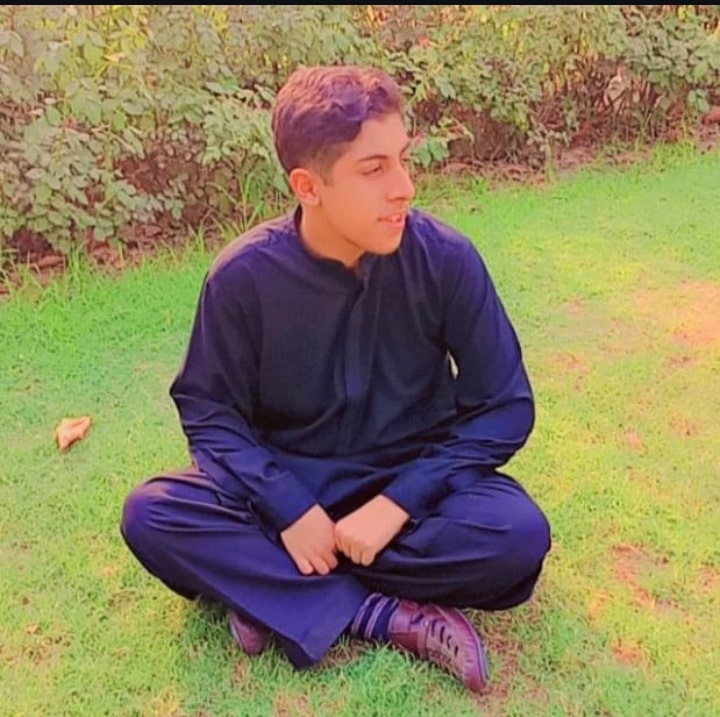
Welcome to Blessing Aura! I’m Muhammad Anas, an Digital Marketer and Ebay Dropshipping Expert with 1 year of experience, I help business, brands and store to grow online. My goal is to run ads and sell effective products for everyone, Let’s achieve more together!